Motorcycle Accidents
Neri Law Group helps injured riders pursue compensation after motorcycle accidents in Bradenton, Sarasota, Gibsonton, Venice, and across Florida.
Florida Motorcycle Accident Attorney
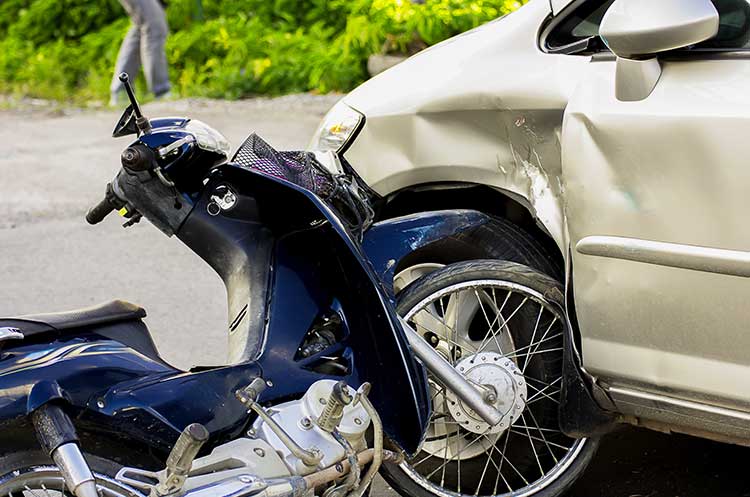
Any type of accident is a traumatic experience, but being less protected against the elements, on a smaller vehicle, and having difficulty getting through traffic makes motorcycle accidents even more terrible and traumatic when it happens to you or your loved ones.
There are many obstacles and reasons why motorcycle accidents can happen. Bad weather is a common cause of motorcycle accidents. Icy and wet roadways can impair handling and braking abilities. Potholes and other road hazards can also increase the risk of a motorcycle accident. Additionally, heavy traffic increases the risk of motorcycle accidents. Collisions can also happen when a driver is changing lanes and isn’t looking for other vehicles.
Many injuries that most commonly affect motorcyclists after an accident are head injuries, including concussions. They could be mild or severe, and could end up causing serious brain damage. Wearing a helmet to protect yourself is the key to avoiding head injuries in an accident. Road rash is also another common injury; it occurs when your skin is scraped across the pavement. Muscle damage, leg injuries, and broken bones are some of the other common injuries involved in accidents of this magnitude.
If you’ve been injured in a motorcycle accident, the first thing to do is to contact Neri Law Group. Shannan C. Neri, Esquire, is experienced with personal injury cases. She knows what you’re going through and is here to help you and your loved ones be compensated and move on with your lives. Seeking medical attention for any injuries involved is the next step. Documentation of these injuries is imperative to have for your case to be successful. Damages you’re compensated for can be used to help with money lost from time off work, piling medical bills, pain and suffering, as well as wrongful death in such instances. If you have to go to trial because the offered settlement wasn’t fair, we’re ready to take that step with you.
Dealing with an insurance company or other parties in your matter can be intimidating. We want you to focus on your physical recovery and allow us to take care of the paperwork and fight to get the compensation you deserve.
What to Expect Legally After a Motorcycle Accident in Florida
In Florida, several legal elements shape how a motorcycle injury claim is handled. These include proving that another party had a duty to drive safely, that they failed to do so, and that their actions directly caused your injuries. You must also provide evidence supporting the full scope of your losses—from medical treatment to lost income. A motorcycle accident lawyer can help evaluate these elements and present a strong case based on your situation.
How Liability Is Established After a Motorcycle Crash
A successful injury claim must connect another party’s conduct to the collision and resulting harm. Evidence may show that a driver failed to yield, followed too closely, made an unsafe turn, or changed lanes without checking a blind spot. In some cases, a commercial vehicle company, property owner, maintenance contractor, or government entity may also share responsibility.
A motorcycle accident lawyer may review police reports, photographs, video footage, witness statements, vehicle damage, medical records, and available electronic data. Acting promptly matters because roadway evidence can disappear, surveillance footage may be erased, and witnesses’ memories can fade. A timely investigation can also address unfair assumptions that the rider caused the crash simply because a motorcycle was involved.
What Often Leads to Serious Motorcycle Accidents
Motorcycle accidents often result from drivers failing to look before changing lanes, turning into a rider’s path, or following too closely. Road conditions also play a significant role—potholes, slick pavement, or debris can turn a safe ride into a dangerous one. Traffic congestion and limited visibility further increase these risks in cities like Sarasota or Bradenton. A thorough investigation into the cause can help determine who is financially responsible and what legal steps to take next.
Evidence That Can Support Your Claim
The condition of the motorcycle, helmet, clothing, and damaged property may help explain the force and direction of impact. Photographs of skid marks, debris, traffic signals, lane markings, and nearby obstructions can provide further context. Footage from nearby businesses, traffic cameras, dashboard cameras, or mobile devices may also help establish what happened.
Medical documentation is equally important. Emergency records, imaging studies, surgical notes, therapy records, physician opinions, and work restrictions can connect the collision to the rider’s injuries. Bills, medication expenses, and missed-work records may support the financial portion of the claim.
What Kinds of Compensation Might Be Available
The impact usually goes beyond emergency care if you’ve been seriously hurt. Riders may lose time from work, need follow-up surgeries, or deal with pain that affects everyday life. Legal claims can account for these damages, including future medical costs, emotional distress, and physical limitations. A Florida motorcycle accident lawyer can help calculate short- and long-term losses to ensure nothing is overlooked in the claim process.
What You Should Do in the Hours and Days After a Crash
Call law enforcement, request medical care, and report every symptom, even when an injury initially seems minor. Adrenaline can mask pain, while concussions, internal injuries, and soft-tissue damage may become more noticeable later. Follow treatment instructions and attend scheduled appointments so the medical record accurately reflects your condition.
When possible, photograph the vehicles, roadway, traffic controls, protective gear, and visible injuries. Collect names and contact information from witnesses, but avoid debating fault at the scene. Before giving a recorded statement or signing documents from an insurer, consider having the request reviewed.
Insurance Issues That May Affect Recovery
The at-fault driver’s bodily injury coverage may be a primary source of compensation, but policy limits are not always enough to cover severe injuries. Other possible sources may include uninsured or underinsured motorist coverage, commercial policies, or coverage connected to another responsible party.
Insurance companies may dispute liability, argue that treatment was unnecessary, or claim that an injury existed before the crash. They may also seek a quick settlement before the full prognosis is known. A Florida motorcycle accident lawyer can review coverage, communicate with insurers, document losses, and evaluate whether a settlement reflects present and future needs.
How Some Actions Can Affect the Strength of Your Case
Even minor missteps after an accident can have a lasting impact. For instance, waiting too long to get medical attention or skipping follow-up visits can be used to question the seriousness of your injuries. Making statements to insurance companies in writing or over the phone can be risky if you’re not sure how those details may be used later. A legal professional can help protect your interests and keep your case on track.
How Florida Fault Rules May Affect a Claim
Florida uses a modified comparative fault system in many negligence cases. A rider found partly responsible may have compensation reduced by that percentage, while a party found more than 50 percent responsible for their own harm generally cannot recover damages under the statute. Because insurers may use allegations involving speed, lane position, visibility, or helmet use to shift blame, the evidence should be reviewed carefully.
Helmet use does not automatically decide whether a claim can proceed. Florida law generally requires approved protective headgear, but riders over age 21 may ride without a helmet when they carry at least $10,000 in qualifying medical benefits coverage. Liability for causing the collision remains a separate issue.
How Long Do These Cases Typically Take
Motorcycle injury claims in Florida don’t all move at the same pace. Some cases resolve in months, especially when the facts are clear and the injuries are well documented. Others, particularly those involving serious or permanent harm, can take longer. The timeline depends on the level of cooperation from the insurance company, the complexity of the injuries, and whether the case goes to court.
Filing Deadlines and Early Case Review
Most Florida negligence actions must be filed within two years. Separate presuit notice requirements and procedural deadlines may apply when a government agency, public employee, or government-owned vehicle is involved. Waiting can also make it harder to locate witnesses, obtain footage, inspect vehicles, and document the rider’s condition.
A prompt review allows the legal team to identify the correct parties, preserve evidence, confirm insurance coverage, and track applicable filing requirements. Riders and families in Bradenton, Sarasota, Gibsonton, and Venice can speak with Neri Law Group about the circumstances of a crash and the legal options that may be available.
Frequently Asked Questions
How long do I have to file a claim?
Under Florida law, most injury claims must be filed within two years of the accident date.
Is hiring a lawyer required?
Not legally, but it’s often helpful. Legal support can significantly affect how smoothly the process goes and how much you recover.
Will I need to pay up front to talk to someone?
No. Most lawyers in this area offer free consultations and only get paid if they win your case.
What should I collect after the accident?
Photos, medical records, witness names, and a copy of the police report can all support your case.
What if I wasn’t wearing a helmet?
You can still pursue a claim, although that detail might affect how damages are calculated.
Can I still recover if I was partly at fault?
Florida follows a modified comparative fault system. As long as you weren’t more than 50% responsible, you may still be eligible for compensation.
Is a police report necessary?
Yes. It serves as an official record and often becomes essential evidence.